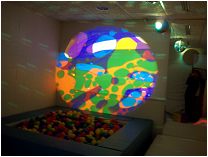
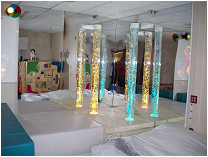
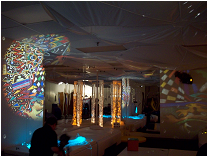
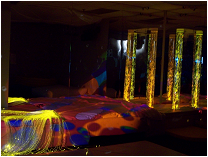
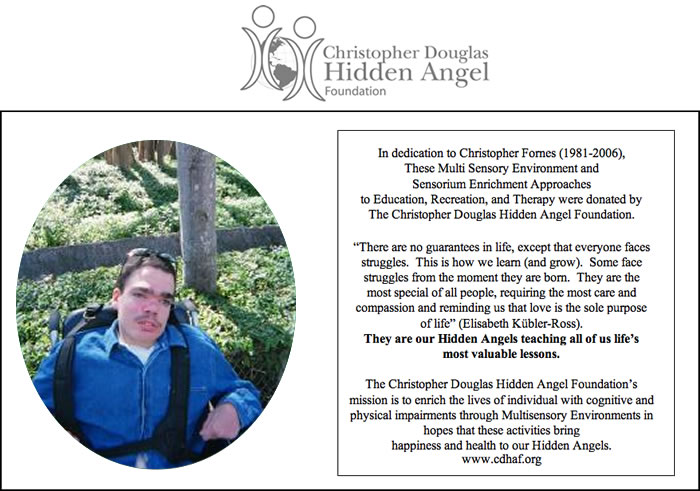
“There are no guarantees in life, except that everyone faces struggles. This is how we learn (and grow). Some face struggles from the moment they are born. They are the most special of all people, requiring the most care and compassion and reminding us that love is the sole purpose of life.”– Elisabeth Kübler-Ross
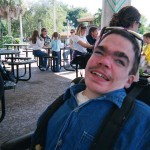
These are our Hidden Angels – teaching all of us life’s most valuable lessons.
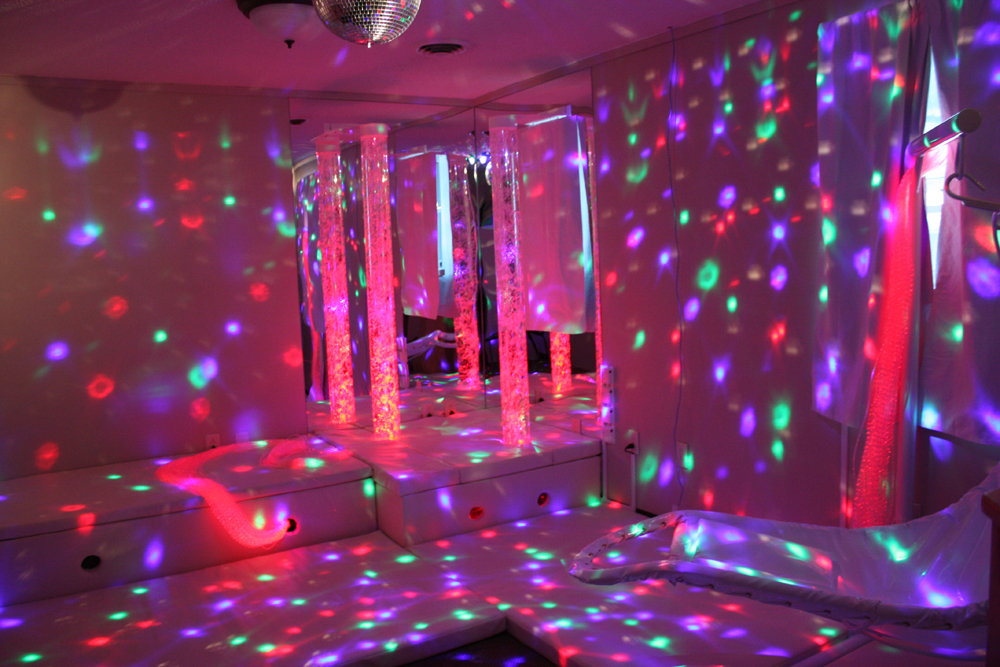
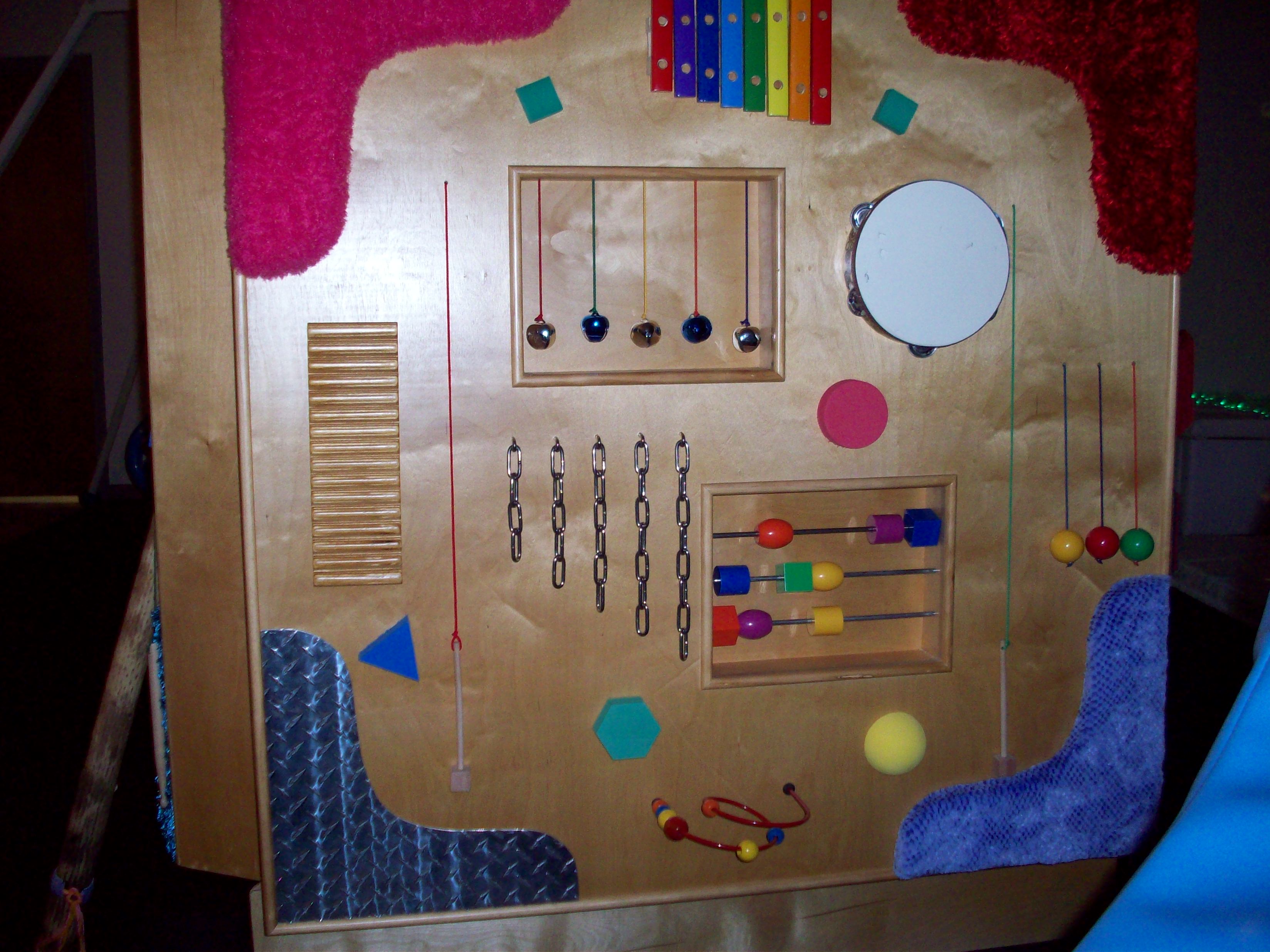
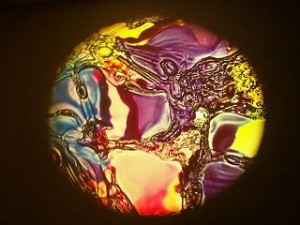
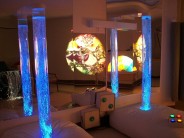
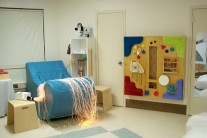
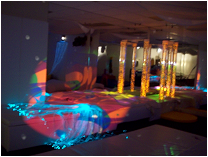
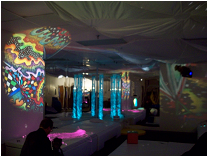
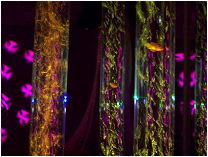
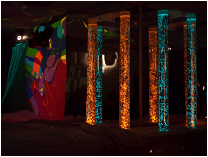
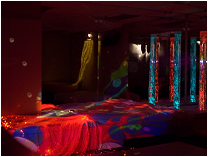
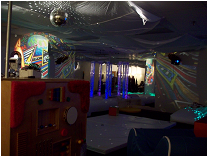
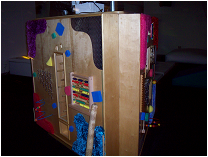
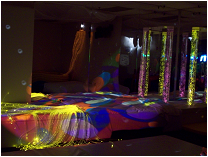
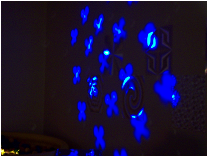
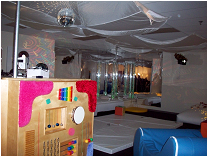
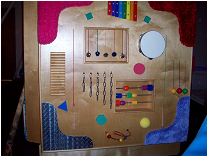
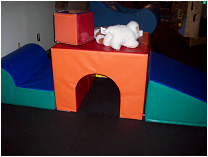
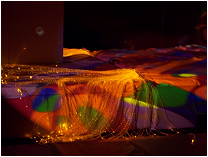
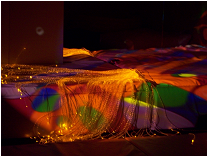
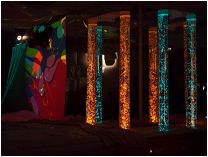
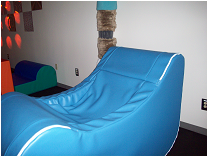
Multi Sensory Environments: Who Needs Them and Where
Of the 53 million adults with disabilities in the United States (1998), 33 million have a severe disability and 10 million need assistance in their daily life. Almost one in five adults have some type of disability (Population Profile of the USA, 2000). National estimates indicate that at least 10 to 15 percent to as much as 20 percent of school age children exhibit mental and behavioral disorders ranging from mild to severe. An estimated 4 million children and adolescents of the U.S. population under 18 years of age have disabilities (6.1%). Additionally, there are over 25.5 million people over the age of 70 in the US.
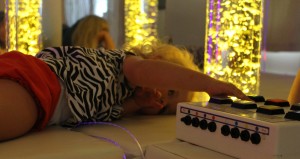
Multi Sensory Environments are used in all stages of development, from infants to the elderly. They benefit people with cognitive impairments and developmental disabilities resulting from:
- Autism
- Cerebral Palsy
- Profound Multiple Disabilities
- Developmental Disabilities
- Chronic Pain Syndrome
- Hearing Impairment
- ADHD (Attention Deficit Hyperactivity Disorder)
- Pervasive Developmental Delays
- Mental Dysfunction
- Traumatic Brain Injury
- Stroke
- Coma
- Alzheimer’s and Dementia
Multi Sensory Environments are used in nurseries to promote infant and child development. Individuals with traumatic brain injury and those with ontological impairments also benefit, as do agitated patients and those in need of pain management.